 Aim for the Stars
1 Session
Build and launch
One build-and-launch activity with a physics concept taught as part of the build.
- Concept introduced during the build
- Students assemble their rockets
- Launch and short debrief
45 to 60 minutes.
The curriculum is modular. A school picks a preset of one, two, or three sessions, and the modules inside that track are selected to fit the grade level, the class period length, and the topic the class is already working through.
Every track is built around a rocket the students assemble themselves and launch. What changes between the tracks is how much time there is to teach the physics before the launch and how much analysis happens after it.
Choose a track
1 Session
One build-and-launch activity with a physics concept taught as part of the build.
45 to 60 minutes.
2 Sessions
The build gets its own session, which leaves the second session free for the launch and what the results show.
Two sessions, 45 to 60 minutes each.
3 Sessions
Adds a dedicated concept lesson before the build and a design iteration round after the first launch.
Three sessions, 45 to 60 minutes each.
Module library
Each track is put together from these modules. The four below have been delivered so far, and they are a starting point rather than the full catalog.
New modules get written for schools that need them. If your class is working through a topic that is not on this list, say so in your request and the module is built around it. Schools can also ask for a specific combination from the list, or leave the selection to the program once the grade level and topic are known.
Air pressure propulsion. Students build a rocket from a plastic bottle, then pressurize and launch it.
Physical science lesson delivered alongside the rocketry build.
Solid motor ignition, parachute recovery, and range safety.
Thrust, drag, lift, and weight, and how each one acts on the rocket the students built.
Not seeing the topic you teach? The module list grows with the schools that ask. Name the unit in your request and a module gets written for it.
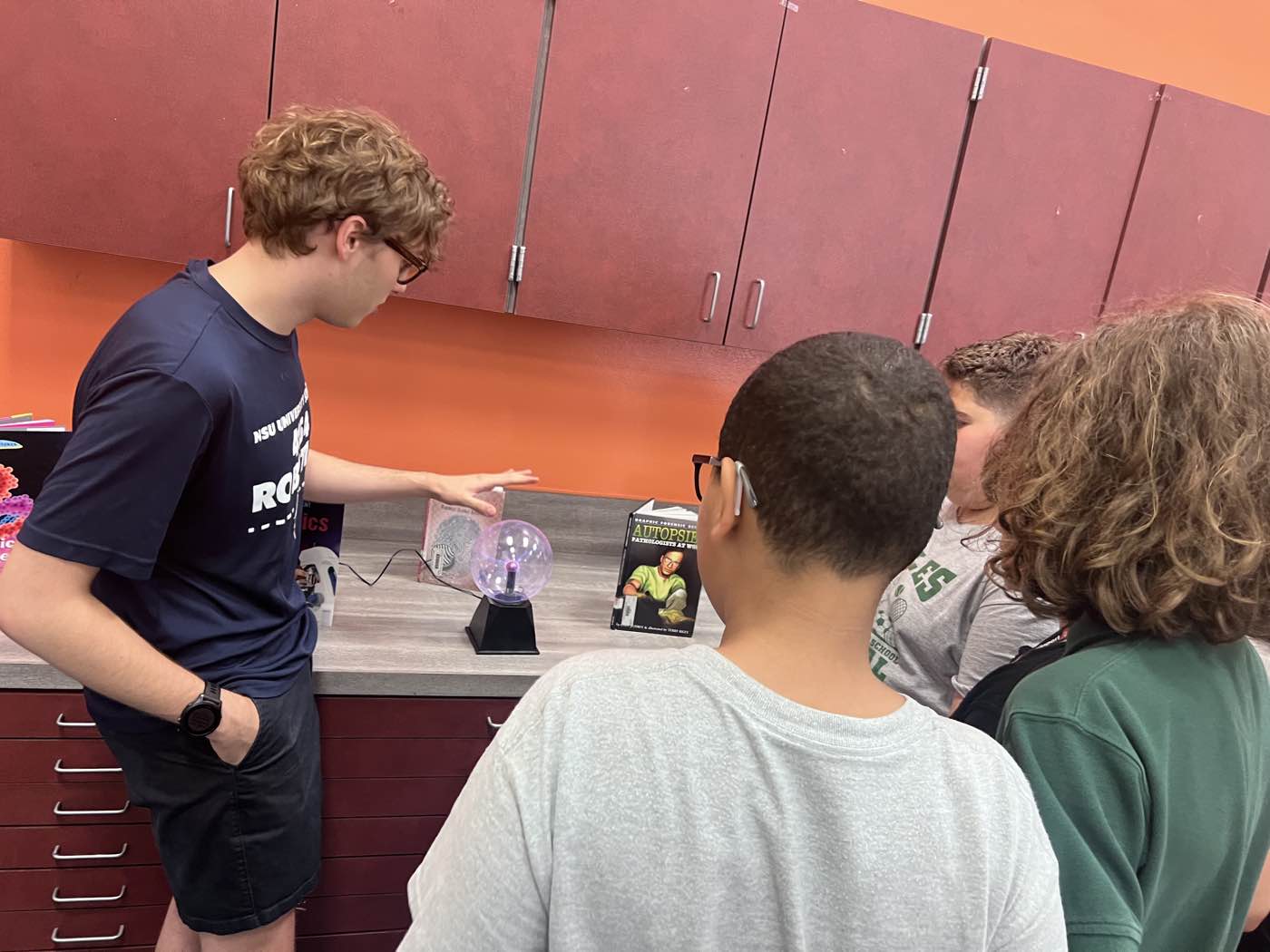
Two activity types
These are different activities. Most schools run the water bottle build. The Estes launch adds a solid motor and an electric igniter, so it runs with adult supervision of both.
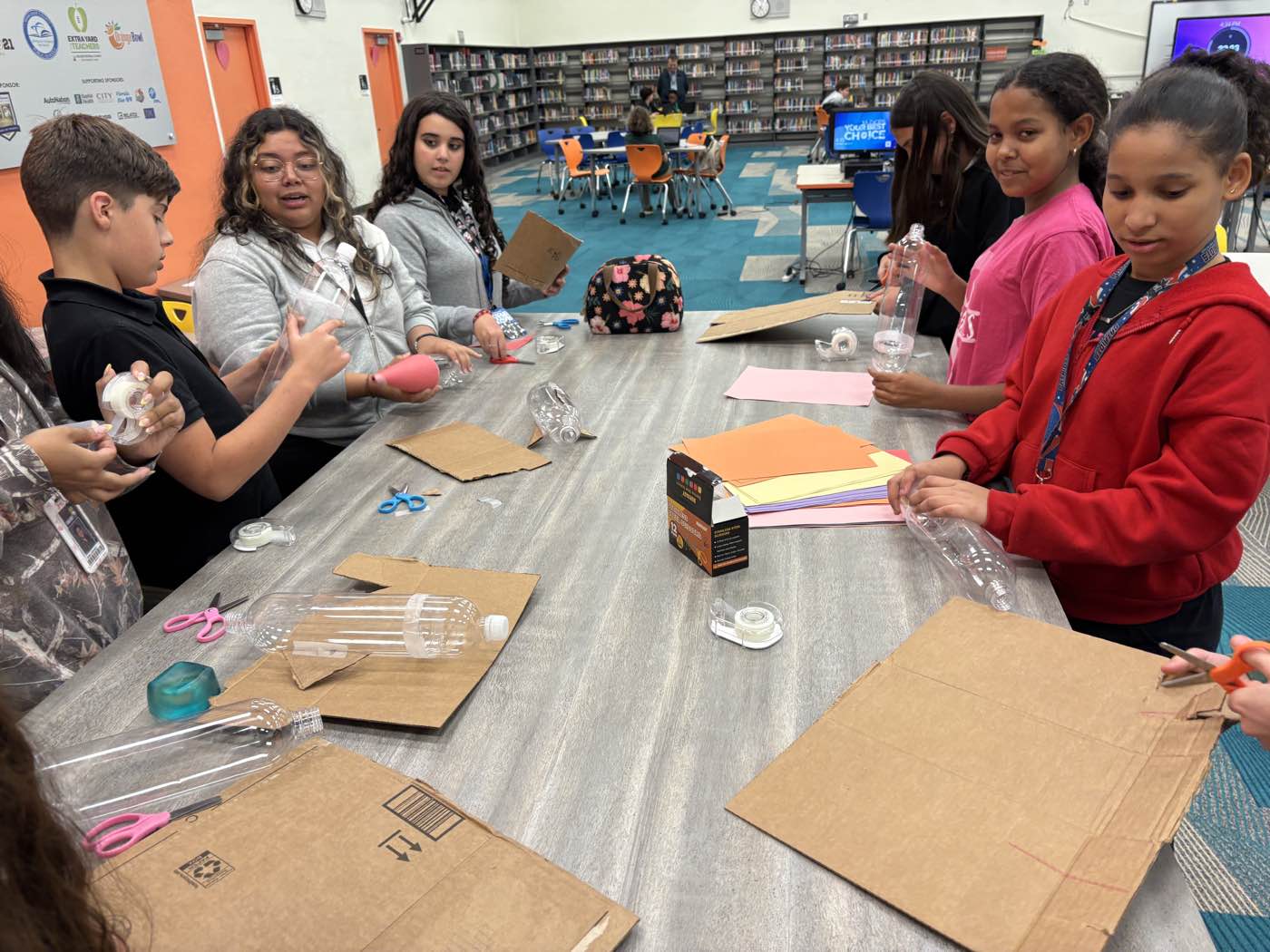
Propelled by air pressure. This is the default for most schools.
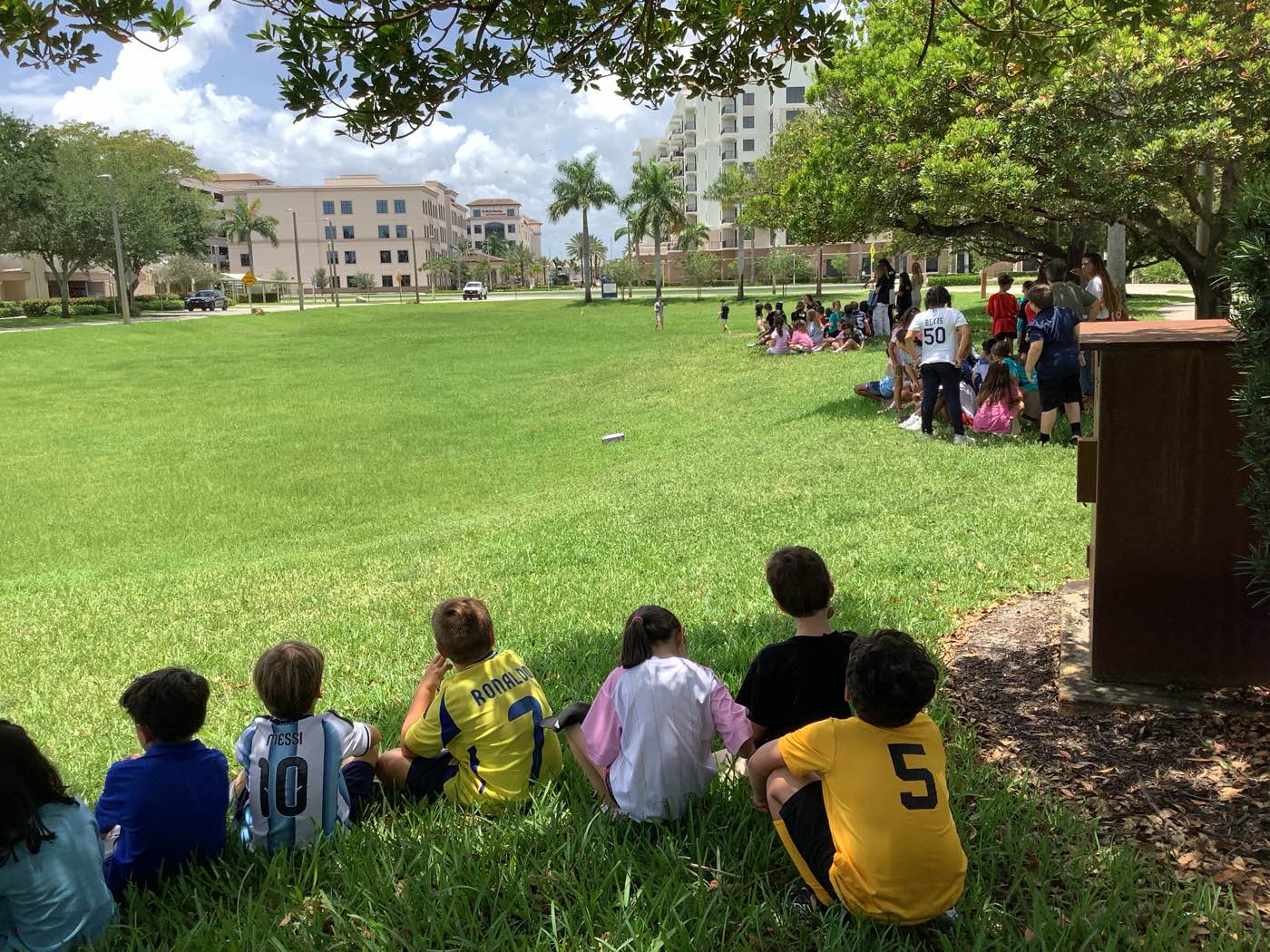
Commercial solid motor with parachute recovery. Sessions use A-class motors.
Logistics
That is all. The school does not need to buy anything.
A one page summary of the tracks, modules, and logistics, for sharing with administrators and science staff.
Tell us your grade level, student count, and outdoor space, and which track looks right for your schedule.
Request a sessionEmail the program directly if you want to talk through what the sessions cover before requesting a date.
nolanariask@gmail.com